Fresh-Roasted Gourmet Coffee - Online Near Me!
San Diego Coffee Services
Best Office Coffee Services in San Diego County
Specialty Coffee - The Art of Roasting
Experience the First Class Quality
To say that coffee is a complex beverage is really an understatement. Coffee as an epicurean category is as nuanced as wine and requires a similar level of expertise and connoisseurship. Like wine tasting, coffee “cupping” is a fine culinary art. Coffee is so highly complex that there’s an entire science that spans the growing process, the roasting, the blending, and the brewing. Coffee specialization demands a multidisciplinary approach that includes many fields.
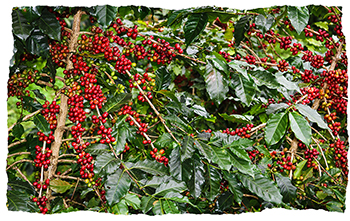
It begins with the coffee plant and the growing process, the location, altitude and weather, the soil, its fertilization and cultivation. The “bean” is actually the seed or pit inside the fruit of the plant or “tree” — the coffee cherry. And to turn it into a coffee “bean,” the ripe coffee cherry must first be harvested. The berries are typically harvested by a machine or picked by hand. In order to get the beans out, the fruit of the berry needs to be removed and after that the beans need to be processed. There are only two known ways of processing beans - dry processing, which is an older technique and wet processing, which is a more modern technique.
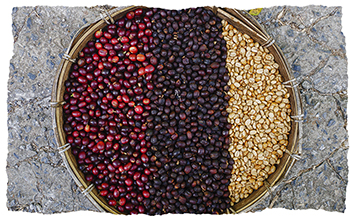
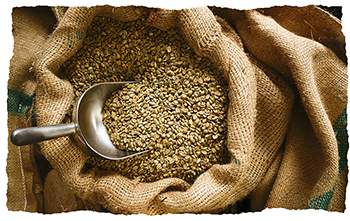
Next it is fermented to remove mucilage left from the fruit. Then the beans are dried to a particular moisture content (usually 11 to 12%) on drying patios and in mechanical dryers. When the processing is done, the beans are sorted in three stages to eliminate broken, undeveloped or otherwise defective beans and separate the light and less dense coffee beans from the denser, high quality beans. In addition to density sorting, the beans are separated by size and then may be color sorted before being bagged in burlap and stored in a cool, dry place prior to export. All of the bad beans are thrown out and the good ones are put in bags and shipped. At this point they are called “green coffee beans.”
The roasting process is essential and the final step in coffee production. It requires the perfect timing and setting of temperature to provide the perfect product. While the beans roast, they will split and their coating will be released. How strong the coffee’s flavor is depends greatly on the bean roasting formula. For example, the longer the beans roast the more intense the flavor will be. Keep in mind the name of a line of coffee beans, such as Breakfast Blend, can differ from one company to another. This is due because many use different roasting temperatures and times prepare a particular batch. Roasting beans even for a few minutes longer or shorter can alter the flavor of the entire batch.
San Diego Coffee Services partners with local boutique coffee roasters to offer you a finely curated range of gourmet office coffee, with options like organic, fair trade, authentic espresso sure to please your inner coffee connoisseur. Our ever-expanding lineup includes locally roasted Euro-Espresso Blend, French Roast, Brazilian, Colombian, Ethiopian, Sumatra, and select coffees sourced from all over the world. With your breakroom stocked with your employees' favorite coffees, your employees and clients can enjoy delicious, fragrant gourmet coffee without having to leave the office. There is no reason to search for freshly roasted coffee near me, because you're already here. We can hardly wait until you smell the freshness and taste the difference!
Ready to Elevate Your Office Coffee?
Reserve a complimentary 2-day demo and let your team taste the difference. Availability is limited — book now to secure your slot.